You're visiting from Ireland. This website is intended for adults aged 18 or older.
PornGeek.com is a review and information site — we do not host, stream, or distribute any explicit content.
We list and review third-party adult websites and display censored thumbnails for identification purposes only.
Some external sites we review may require age verification under Irish law or other local regulations. You may be asked to verify your age before accessing them.
By continuing, you confirm that you are 18+ and legally allowed to view this content under Irish law.
PornGeek.com è una piattaforma di recensioni informative che non ospita, trasmette né distribuisce contenuti espliciti.
Recensiamo siti web per adulti di terze parti e mostriamo miniature censurate solo a scopo identificativo.
I link possono portare a siti esterni che contengono materiale sessualmente esplicito e potrebbero richiedere una verifica dell'età in base alla tua posizione geografica.
In conformità con le normative italiane in vigore dal 12 novembre 2025, alcuni siti potrebbero richiedere la verifica dell'età prima di consentire l'accesso.
Continuando, confermi di avere almeno 18 anni e di essere legalmente autorizzato a visualizzare questi contenuti.
Sie besuchen diese Seite aus Deutschland. Diese Website ist ausschließlich für Erwachsene ab 18 Jahren bestimmt.
PornGeek.com ist eine informative Bewertungsplattform und hostet, streamt oder verbreitet keine expliziten Inhalte.
Wir bewerten Drittanbieter-Websites für Erwachsene und zeigen zensierte Vorschaubilder ausschließlich zur Identifikation.
Links können zu externen Webseiten führen, die sexuell explizites Material enthalten und möglicherweise eine Altersverifikation erfordern – abhängig von Ihrem Standort.
Mit dem Fortfahren bestätigen Sie, dass Sie 18+ sind und rechtlich berechtigt sind, diese Inhalte anzusehen.
You're visiting from Australia. This website is intended for adults aged 18 or older.
PornGeek.com is a review and information site — we do not host, stream, or distribute any explicit content.
We list and review third-party adult websites and display censored thumbnails for identification purposes only.
Some external sites we review may require age verification under Australian law or other local regulations. You may be asked to verify your age before accessing them.
By continuing, you confirm that you are 18+ and legally allowed to view this content under Australian law.
People love to reduce Maitland Ward to a tabloid punchline—“child star turned scandal”—but that lazy take misses the real battles behind her career pivot. After rising to mainstream recognition on Boy Meets World, she faced the familiar traps of Hollywood typecasting that kept her locked into an “innocent” image. When she later embraced adult entertainment, the backlash was swift: fans who felt betrayed, industry gatekeepers who treat sex work like a career crime, and a media cycle that prefers spectacle over context. That combination can carry real consequences—lost roles, public shaming, and the pressure of rebuilding a professional identity while still making a living in an industry that punishes anyone who steps outside its carefully defined boxes.But her story isn’t just scandal—it’s strategy. Ward used cosplay culture, direct-to-fan platforms, and calculated partnerships with companies like Vixen Media Group to flip control of both her image and income. What looks like controversy from the outside is also a case study in reinvention: how a performer leveraged internet culture and niche fandoms to bypass traditional Hollywood gatekeepers. If you’re curious about how celebrity reputations are rebuilt online—or how a shock-value rebrand can be executed with surprising business savvy—this is the map: the timeline, the turning points, and the moments where controversy became leverage.
The Misread Story Behind Maitland Ward
Too many people flatten Maitland’s story into two lazy takes: “child actress turned scandal” or “former sitcom star ruined.” That shallow view misses the real friction points she’s had to handle — and why her choices sparked such a firestorm.
Typecasting and early expectations: Once you’re the girl from a family sitcom, most casting directors see you through that filter forever.
Image reinvention vs. legacy image: Fans who loved the wholesome version felt betrayed; parts of Hollywood treated it like a moral crime.
Industry pushback and stigma: Sex work stigma and elite gatekeeping in Hollywood can clip opportunities or generate career backlash.
Public confusion and media spectacle: The press often plays up scandal rather than the business savvy behind a career shift.
Understanding these pain points explains why her choices weren’t only personal — they were political and economic, too. And if you want to argue she was chasing clicks, I’ll say this: clicks don’t buy production values or international buzz. Strategy does.
What I’m Going to Show You
I promise a focused look — no scattershot hot takes. I’ll give you a clean chronology of where she started, the big turning points, the moments that mattered, and why those moments changed the conversation about celebrities entering adult entertainment.What I’ll deliver:
Clear timeline of career moves
Key milestones that shifted perception
Examples of how she controlled her image and monetized it
Context about the cultural fallout and industry reaction
The Fast Background Check
Quick bullets to orient you — the cheat‑sheet I use before I get into the juicy stuff:
Soap and sitcom roots: Early gigs on soaps and guest spots built on‑set chops and a TV persona people trusted.
Boy Meets World breakout: The role that made her a household face and set up the “innocent” brand.
Cosplay and conventions: A visible, savvy rebound that let her reshape her image on her terms.
Move into adult and direct platforms: Strategic use of social media and subscription platforms to take control of content and revenue.
How I’m Approaching This Story
Here’s how I write about this: frank, a little rude, and grateful for good work. I don’t sugarcoat or moralize. I point at facts, call out bullshit, and highlight scenes or decisions that changed the game.Expect:
Concrete examples: I’ll name specific moves and why they mattered, not just moral judgments.
Industry context: How adult studios, fan platforms, and merch tie into a modern performer’s playbook.
Human take: I’ll talk about agency and identity without pretending it’s all rosy — there’s real fallout and real wins.
“It always boils down to confidence and comfort with your identity.” That’s as true for Maitland as it is for anyone trying to rebrand themselves in public.
If you want receipts and a proper timeline — like how a sitcom girl moved into cosplay culture and then made a deliberate switch to adult content with huge production partners — stick with me. Next up I’ll trace the early career steps that set the table for everything that followed. Curious how a soap opera background becomes an unexpected asset in a very different industry? I’ll show you — coming soon on my blog.
Early career: child actor to teen TV standout
Ever wondered how a kid who starts on daytime soaps ends up being a household name years later? For Maitland Ward, those first gigs were the scaffolding — the thing that made her both familiar and, later, fascinating. Knowing where she began helps explain why her later choices landed like a grenade in polite pop culture circles. And if you want to understand the stakes, you need the receipts.
First gigs and soap roots
She cut her teeth in the grind of TV’s engine room: small parts, steady work, and the soap-opera treadmill. That kind of early experience teaches two brutal lessons actors don’t get in drama school: one, memorize lines fast; two, perform under pressure every single day. The Bold and the Beautiful gave her a platform — face on camera, name in the credits, and hours of practice in emoting for people who tune in religiously.
On-set schooling: Soap schedules are intense. Actors develop stamina, camera awareness, and a knack for selling melodrama without collapsing into melodrama.
Visibility: Daytime TV doesn’t always get the prestige, but it gets eyeballs. Being part of that world meant she became a recognizable face early on.
Career currency: Those credits opened doors to guest spots on sitcoms and TV movies — the typical path from child actor to teen player.
Boy Meets World and mainstream recognition
Landing Rachel McGuire on Boy Meets World changed everything. That show aired in millions of living rooms during the late ’90s, and it was the kind of family sitcom where viewers built parasocial relationships with characters — you invited them into your home week after week. Rachel wasn’t a one-episode blip; she stuck around long enough to become part of the show’s memory bank.That matters. The primacy and recency effects in social psychology explain it: people form durable impressions based on early information and repeat exposure. Play a wholesome character on a family sitcom and the public files you under “familiar and safe.”
Public perception after early TV work
Here’s the emotional truth: audiences latch on. Fans remember the Rachel who sat at the lunch table, not necessarily the actress behind the role. Industry gatekeepers do the same — casting directors, agents, and press tend to fit performers into neat boxes. For someone like Maitland, that box was “girl-next-door” and “wholesome TV alum.”
“People will always remember you as you were when they first met you.”
That quote nails the awkward tension she faced. Fans who grew up with her felt protective. Critics loved to reduce the narrative to shock value. And that set the stage for the cultural whiplash she’d later cause — because when a familiar face starts making bold, adult-forward choices, it forces people to reconcile what they thought they knew with what’s now in front of them.If you want to see exactly how she began to flip that script — the costumes, the conventions, and the social feeds that let her own the narrative — stick around. Next, I’ll show how a former sitcom star started rewriting the playbook in plain sight. Want to know the move that made everyone sit up and pay attention?
Reinvention phase: cosplay, conventions, and image reshaping
Have you ever watched someone quietly reshape themselves in plain sight and thought, Damn — that’s bold? That’s exactly what happened when she leaned into cosplay. It wasn’t just a hobby or a photo op; it became the launchpad for a complete brand reboot. I watched the whole thing unfold: the costumes, the conventions, the glossy shoots, the social posts that read like a new manifesto. For someone coming from family-friendly TV, it was a masterclass in taking control of image, audience, and narrative.
Cosplay as transition
Cosplay gave her a way to experiment publicly without having to ask permission from Hollywood. It worked on several levels:
Permission to play: Costumes let her inhabit characters that flirted with sexiness and power at once — think warrior queens, comic-book femme fatales, and yes, provocative Star Wars nods.
Visibility with a built-in audience: Comic and gaming fandoms are huge and hungry for content. By showing up at conventions and on cosplay pages, she tapped fans who already worship visual transformation.
Slow repositioning: Rather than an overnight switch, cosplay was a softer, believable step from wholesome TV to a more adult-facing persona.
One of the flashpoints was her take on the Return of the Jedi Leia look — the outfit that has always sparked debate. Wearing it was provocative by design: it screams pop-culture recognition and sets off a thousand reactions, from nostalgic applause to moral hand-wringing. That very split is what made it effective. She wasn’t trying to shock for shock’s sake; she was re-contextualizing an image people already owned in their heads.
“Putting on a costume doesn’t make you someone else; it lets you choose who you want to be for a minute.”
That quote captures why cosplay worked as strategy: it’s performance, and performance sells.
Social media and control of image
Cosplay pushed traffic to her feeds, and she used that traffic like a boss. Instead of waiting for casting directors or publicity machines, she started communicating directly with fans — the way modern creators do:
Curated visuals: High-res cosplay shoots looked like magazine spreads, not bedroom selfies. That elevated perception: this was professional modeling, not desperation.
Consistent posting: Regular cosplay drops, behind-the-scenes snaps, and convention highlights created a rhythmic engagement loop. Fans came back, followed, and shared.
Platform leverage: By building a direct audience on Instagram and other platforms, she reduced reliance on gatekeepers. When you own the crowd, you call the shots.
There’s data supporting this path. Researchers studying cosplay and online communities have found that dressing up and sharing in public spaces can boost self-efficacy and social belonging — which explains why the shift felt authentic rather than manufactured. In business terms, she converted cultural capital into attention capital, then into monetizable opportunities.
Reactions and controversy
Of course, doing this publicly stirred the pot.
Old fans: Some felt betrayed — the childhood TV vibe didn’t match the new cosplay sexuality. Reaction threads lit up with commentary that ranged from defensive nostalgia to outright dismissal.
The press: Headlines oscillated between “shock” pieces and takeaways about empowerment. Clickbait ran fast, but so did thoughtful pieces that framed it as a woman reclaiming agency over her image.
The culture conversation: Her cosplay choices pushed conversations about what we expect from former child stars, who gets to be sexual, and who we condemn for choosing it.
Emotionally, people reacted hard because she violated an invisible contract: the industry and the public often keep performers in boxes. When someone cracks that box and struts out in character armor, it’s thrilling to some, terrifying to others. And that tension is valuable — it creates attention, debate, and ultimately, a clearer brand.I’m talking specifics and patterns here because the cosplay era didn’t just look good — it did measurable work. It built an audience, tested comfort levels, and created content that translated easily into paid channels.Want to see how that momentum turned into actual adult work — from selfies to studio deals and the producers who made it lucrative? In the next part I’ll map that exact progression and name the players who mattered. Curious which move flipped the whole script? I’ll show you.
Entering adult entertainment: timing, partners, and early releases
Have you watched a career execute a one-eighty and thought, “How did that happen so cleanly?” I did. Maitland’s leap didn’t look like a midlife publicity stunt — it looked calculated, staged, and sincere. The path from selfies and cosplay to studio-backed adult releases maps a smart, staged escalation that gave her both control and momentum.
“It always boils down to confidence and comfort with your identity.”
That line matters here. The first moves she made weren’t shouts — they were tests. Small, intentional signals that told the market she was ready to play by her rules.
From selfies to professional shoots
She started where a lot of modern performers start: direct to fans. Nudie selfies, curated cosplay shoots, a subscription-style model for exclusive photos and vids — these were the low-risk, high-control first steps. Those early posts did two things:
Validated demand — fans who loved her mainstream persona stuck around and paid for access to the new version.
Built bargaining power — a paying audience equals leverage when studios come knocking.
The shift to professional shoots was then natural: better lighting, cinematography, stylists, and narrative setups. That upgraded presentation signaled she wasn’t doing this as a shock gag; she wanted production values and a polished brand. In industry terms, that’s the difference between an indie clip and a premium release — and it changes who notices you.
Key industry collaborations
Once the fan base was proven, established producers and directors moved from curiosity to investment. The collaborations that matter were those that did more than put a celeb in a scene — they framed her with a level of craft that mainstream audiences recognize: styled shoots, higher-budget sets, and pairing her with known performers to match audience expectations for chemistry and storytelling.
Producers brought distribution muscle and marketing reach.
Directors crafted scenes that positioned her as a performer, not a gimmick.
Co-stars added credibility and ensured scenes would be spoken about in fan circles.
That combination — audience, producers, and pro-level creatives — flipped her from “celebrity dabbling” to a credible adult performer in industry eyes.
Reputation and market positioning
Here’s where the strategy gets sharp. Maitland didn’t just show up; she defined herself against a crowded market in three smart ways:
Celebrity crossover appeal: Nostalgia hooks (the Rachel McGuire association) attracted mainstream clicks; curiosity kept them watching.
Production-first positioning: High-quality shoots signaled she cared about craft, not just shock value.
Audience segmentation: She balanced direct-to-fan content with studio scenes so hardcore fans and casual viewers both had entry points.
Those choices shaped pricing, release cadence, and even the type of press she got. Fans felt like they were part of a VIP club getting access to something authentic. Critics who dismissed her as a stunt had to reckon with tangible metrics: sold-out subscriber slots, trending videos, and social chatter.There’s also psychology at work. Research on parasocial relationships — the one-sided bonds fans form with public figures — explains why this worked. When a familiar face suddenly controls the narrative and appears authentic, fans double down. The emotional currency of “I’ve followed you since TV” translates into subscriptions and social momentum.Market-wise, she occupied a niche that only a handful of performers can: mainstream recognition + adult production quality. That’s a big, lucrative sweet spot, and the early releases were designed to prove she belonged there.So what did those early releases actually look like? Think polished scenes that leaned on nostalgia and cosplay aesthetics, interspersed with rawer, exclusive content for subscribers. It was equal parts spectacle and intimacy — and that balance is what got people talking.Want to see which specific scenes and studio drops turned the tide and made fans rethink her trajectory? I’ll show you the standout moves that changed perceptions and set the internet buzzing — next up, I break down the fan-favorite releases and the moments that made her an industry talking point. Which one flipped the script for you — a nostalgic set-piece or an intimate, subscriber-only offering?
Notable performances and fan-favorite releases (curated highlights)
Want the short version? Some things she did were electric because they felt honest — and because the production treated her like the main event, not a stunt. I’m picking through the releases that actually mattered: the studio projects that got people talking, the scenes that made people rethink what she was capable of, and the pairings that created instant chemistry. I’ll keep it focused and spoiler-free on the explicit bits, but not shy about why these moments mattered to fans and the industry.
Standout studio projects
High-production features that treated her like a lead actor. These were the releases where directors built scenes around narrative and mood — long, cinematic setups, better lighting, and post-production that made the whole thing feel closer to an indie film than a throwaway clip. That investment changed how reviewers and curious mainstream outlets framed her work.
Exclusive drops with recognizable banners. When a studio with a strong brand gave her a headline release, it amplified everything: marketing reach, crossover eyeballs, and coverage beyond the usual adult bubble. Fans reacted fast — social shares, clip compilations, and subscription bumps followed those premieres.
Curated niche projects. Not every win was a blockbuster. Some smaller, well-produced scenes targeted specific fans (fetish, roleplay, glamour) and performed better long-term because they hit a niche hard and built loyal repeat viewers.
Scenes that shifted perceptions
The “acting” scenes. The ones that leaned into character, tension, and reaction shots did more for her credibility than a dozen selfie posts. When she delivered moments of genuine emotion — surprise, vulnerability, playful command — critics stopped framing her as “just a former sitcom star” and started talking about commitment and range.
Long-form narrative pieces. Extended releases that allowed scene-to-scene buildup showed she could carry pacing and audience interest. Those projects convinced a lot of skeptics that this was a deliberate career move, not a one-off shock headline.
Low-key, authentic clips. Ironically, some of the most effective releases were the simplest ones: good lighting, honest performance, and a vibe of mutual enjoyment. Fans rewarded authenticity — and research into parasocial relationships (Horton & Wohl, classic work that still explains a lot) helps explain why: people form attachment to perceived authenticity, not just spectacle.
Collaborations with top performers
Pairing her with seasoned pros did two things at once: it boosted the scene’s profile and it gave viewers a sense of safety — as in, “If industry vets are working with her, she’s serious and prepared.” Chemistry can’t be faked, and those pairings created headline moments that were replayed, clipped, and memed across platforms.
Veteran co-stars brought technique and a fanbase; their presence legitimized longer, more cinematic shoots.
Peers from crossover backgrounds (performers who’d also flirted with mainstream work) created interesting dynamics that mainstream press loved to analyze.
Ensemble scenes expanded the narrative possibilities and let producers show she could play different roles — from reserved to commanding — with credibility.
“It always boils down to confidence and comfort with your identity.”
That line nails why certain releases landed: when she looked comfortable in the frame, viewers didn’t see a stunt. They saw someone in control. Emotional payoff is what hooks people — and that’s one reason those standout projects kept getting shared and talked about beyond the usual circles.Fans didn’t just react — they organized the reaction. Reddit threads cataloged favorite moments, Twitter debates seeded mainstream headlines, and comment sections filled with a blend of shock, admiration, and, yes, defensiveness. This aligns with Goffman’s ideas about stigma and career transitions: the audience actively renegotiates how it feels about someone who’s reinventing themselves, and performance choices speed up (or slow down) that negotiation.Curious how those performances turned into dollars and a full-blown brand? I’ll show you the exact moves that converted buzz into ongoing revenue and control — coming up next, when we look at the business side of how she monetized the momentum. Want to know which platform became the real engine behind the growth? Keep reading — I’ll break it down for you.
Business moves: OnlyFans, exclusivity, and merch
Ever notice how a smart career pivot is 70% strategy and 30% swagger? That’s exactly what the business side of this story looks like. She didn’t stumble into adult work and hope for the best — she built multiple income lanes, kept control of the message, and sold more than scenes. That’s what separates a paycheck from a brand.
OnlyFans and direct fan engagement
She used subscription platforms to go straight to the people who actually care — her fans. That changes everything. Instead of relying on middlemen, she controls release timing, pricing, and the vibe of her content. Platforms like OnlyFans (which takes roughly a 20% cut) let creators keep the rest and own the relationship with subscribers. That’s powerful.
Direct revenue: Subscriptions, pay-per-view clips, tips, paid DMs and custom requests mean predictable monthly income plus high-margin extras.
Control of narrative: You set the image, the pace, and the level of access. Fans don’t just watch — they feel seen. That emotional buy-in converts to loyalty and longer retention.
Data and feedback: Messaging and analytics let you test new ideas fast. Which outfits get the best response? What behind-the-scenes format sells more? You learn it directly from your audience.
Research and industry coverage on the creator economy keep saying the same thing: creators who own their audience trade volatility for leverage. That’s the point — she moved from being a product in someone else’s catalog to being the product owner.
“Money is a measurement; control is the currency.”
Studio exclusivity and touring (or lack thereof)
There’s a tradeoff between signing an exclusive studio deal and staying independent. She picked a hybrid path: selective studio work for visibility and production quality, while keeping enough independence to run direct channels. That’s a smart play — you get the marketing muscle of big producers without handing over your whole brand.
Why selective studio work makes sense: Big productions raise profile, land you mainstream press, and create glossy scenes fans talk about.
Why avoiding full exclusivity helps: It keeps freedom for your own platforms, lets you set higher prices for custom content, and prevents being locked into a release schedule that clashes with your brand.
Touring and club appearances: Limited or curated appearances preserve mystique and keep the supply scarce. Scarcity sells.
From a business perspective, she treated studio partnerships as marketing funnels — not the entire business. That’s a nuance a lot of performers miss.
Merch and licensed products
Video is one thing; merch is another way to make a fan feel like they own a piece of you. Branded shirts, signed prints, limited-run collectibles, and officially licensed adult toys are all part of the strategy. They extend the brand beyond clips and photos and bring in non-recurring revenue that’s lower-effort once set up.
Merch types that work: Apparel, signed photography, exclusive photo-books, limited-run art prints, and licensed intimacy products.
Why licensed products matter: A well-made collectible or toy becomes a physical reminder of fandom. It also opens up retail angles and collaborations with established manufacturers.
Revenue diversification: Business studies on creator income streams show that diversified revenue reduces volatility — subscriptions + studio pay + merch = steadier cashflow.
This is emotional, not just transactional. Fans buy merch because they want connection and bragging rights. The product is a status signal as much as revenue.So, she built a layered business: direct fan subscriptions for steady cash and control, selective studio work for reach and prestige, and merch/licensing for durable income. Smart, simple, effective.Curious how the industry and mainstream press reacted to this tight playbook — and which awards or controversies followed? I’ll show you the reception next — and the parts that really got people talking. Want to know which scenes and headlines shifted the conversation? Read on for the next installment.
Reception, awards, and cultural conversation
So what did the world do when she flipped the script? The reaction wasn’t a single sound — it was a chorus, a roast, and an ovation all at once. I’m looking at how the industry reacted, how the press spun it, and why Maitland’s move hit nerves way beyond porn fans. This is where reputation, recognition, and real culture-clash collide.
Industry recognition
She didn’t drift into the scene unnoticed. Within months of committing to professional releases and higher-production work, folks inside the adult world started treating her like a category unto herself: celebrity crossover. That meant two concrete things:
Visibility from peers and producers — seasoned performers and directors publicly praised her work ethic, on-set presence, and willingness to learn the ropes. That kind of peer respect matters a lot in an industry that trades reputation like currency.
Award-season chatter — mainstream adult outlets and awards shows began listing her in discussions and ballots. Whether you love or hate the politics of awards, nominations and mentions at events matter: they’re a public ledger that a performer has arrived on the scene in a serious way.
Recognition in the adult industry is as much about craft as it is about market draw. When clubs, studios, and award voters start factoring you into lineups and lists, that’s a business-grade endorsement: you’re not just a headline, you’re revenue and culture influence.
Mainstream press and fan discourse
Once mainstream outlets smelled the story, it blew up into a thousand takes. Some themes I watched play out:
Clickbait vs. curiosity: Tabloids naturally went sensational — “from sitcom darling to XXX” — while more thoughtful outlets ran longer profiles asking basic cultural questions about fame and agency.
Fan splits online: On Reddit and Twitter you got the full spectrum — diehard fans applauding the career autonomy, others feeling betrayed, and plenty of onlookers treating it like reality TV drama.
Defenders and critics: Some journalists and sex-worker advocates framed it as a freedom-of-choice story. Critics used it to lecture about morality or career “ruin.” Neither side captured the whole truth, but both amplified the conversation.
That chatter changed how people talked about celebrity sex work. It moved the debate from private shame into public argument — and public arguments make policy folks, advertisers, and mainstream gatekeepers take note.
“Watching someone rewrite their story is messy, sexy, and political all at once.”
Broader cultural impact
Here’s where things get interesting. Maitland’s choices became shorthand for several bigger societal arguments. I’m going to list them plainly:
Agency over stigma: Her move forced people to reckon with the gap between what celebrities are allowed to be and what regular people are judged for. Research on sex work stigma shows that public narratives can either entrench shame or normalize agency — and celebrity cases tip that scale fast.
Blurred mainstream/adult lines: Her crossover raised questions about where “mainstream” ends and “adult” begins. With streaming, social platforms, and merch, the walls are porous — and that shifts advertising, partnerships, and even casting decisions across industries.
Conversations about consent and choice: Because she had a past as a child/young TV actor, critics tried to recast her move as either exploitation or rebellion. The better take — backed up by sex-work scholarship — is that agency should be the default lens unless evidence suggests otherwise.
Career reinvention playbook: Plenty of performers and content creators have watched her path and taken notes. The modern blueprint she illustrated is: build direct audience, control production, leverage celebrity backstory, and monetize across platforms.
There’s academic weight behind these observations. Studies into sex work and stigma show repeated patterns: when high-profile figures claim autonomy, public attitudes can shift, but only if the conversation moves beyond moralizing into structural questions — pay, safety, and labor rights.I won’t sugarcoat it: the heat she took exposed ugly parts of fandom, industry protectionism, and the way women’s sexual choices get weaponized. But it also opened spaces where performers can demand better pay, safer sets, and ownership over their image.Want proof that this isn’t just hot air? Look at how producers and content platforms adjusted deals, how merchandising shifted toward sanctioned collectibles, and how other former mainstream names started testing the waters. That ripple effect is measurable in marketplace moves, not just tweets.So what happens next — in awards rooms, on late-night panels, and inside the industry’s boardrooms — as celebrity crossovers become normal? I’ll walk you through what she’s doing now, the business choices that matter, and where the whole thing is likely headed.Curious which moves will actually stick and which are temporary noise? Stick around — the next part breaks down where she stands today and what’s coming that you’ll want to see.
Where she stands now — a quick, sharp snapshot
She’s not a fall-from-grace headline anymore. She’s an active content creator who calls her own shots, picking studio work like a boss and trading the old Hollywood script for direct-to-fan economics and brand play. Fans still show up — in droves — and she keeps them close on subscription platforms while doing the occasional high-profile shoot or public appearance that keeps the mainstream press interested.That position is powerful: it’s the freedom to choose projects that fit a brand she built herself, and the financial upside of selling directly to people who want exactly what she makes. That’s not some reckless throwaway gambit — it’s a deliberate career recalibration that paid off.
Ongoing projects and likely next moves
Direct-to-fan content remains the backbone. Expect continued focus on subscription platforms and premium content drops. Creators in this lane keep tighter control over pricing, cadence, and creative direction — and she’s shown she understands that math.
Selective studio collaborations for impact, not volume. When she goes studio-side, it’s usually for projects that raise her profile or fit a specific aesthetic. Think fewer releases, higher production value, better buzz.
Merch and licensing stretch the brand. Branded collectibles, sanctioned toys, and official merch are logical plays. Those products turn short-term attention into long-term revenue and let fans show allegiance without streaming a scene.
Mainstream visibility without selling out. Podcast slots, con appearances, streaming guest roles — she can keep poking at the mainstream boundary without surrendering agency. That’s where the interesting crosses happen: mainstream gets intrigued, adult creators keep creative control.
Creative expansion: producing and curating. The next natural step is to move behind the camera more often — producing, directing, or launching a boutique label. It’s where veteran performers turn expertise into an asset that scales.
Final reflections
I find her arc fascinating because it’s a masterclass in rewriting expectations. She took a well-known face and turned public preconceptions into leverage. That takes more than chrome and viral posts — it takes planning, grit, and a willingness to take the hits while you build something steadier.Let’s be honest: sex work still carries unfair baggage. Research into stigma and labor shows that public narratives lag behind people’s actual choices and economic realities. But stories like hers force the broader conversation forward. They turn “shock” into a case study on autonomy, platform power, and brand strategy.
This isn’t a scandal to gawk at — it’s a career pivot you can learn from.
If you want to track performers who are mastering the new rules of fame and revenue, there’s a lot to learn from the playbook she’s writing. And if you want more places to look, check out the PornGeek directory — it’s where I point readers who want good recommendations and industry context.So here’s the skinny: she’s not done surprising anyone. She’s smart about where attention turns, she monetizes it cleanly, and she’s built a template other performers — and curious fans — can study. Pay attention not for the gossip, but for the lessons. Careers used to be linear; hers proves they don’t have to be.







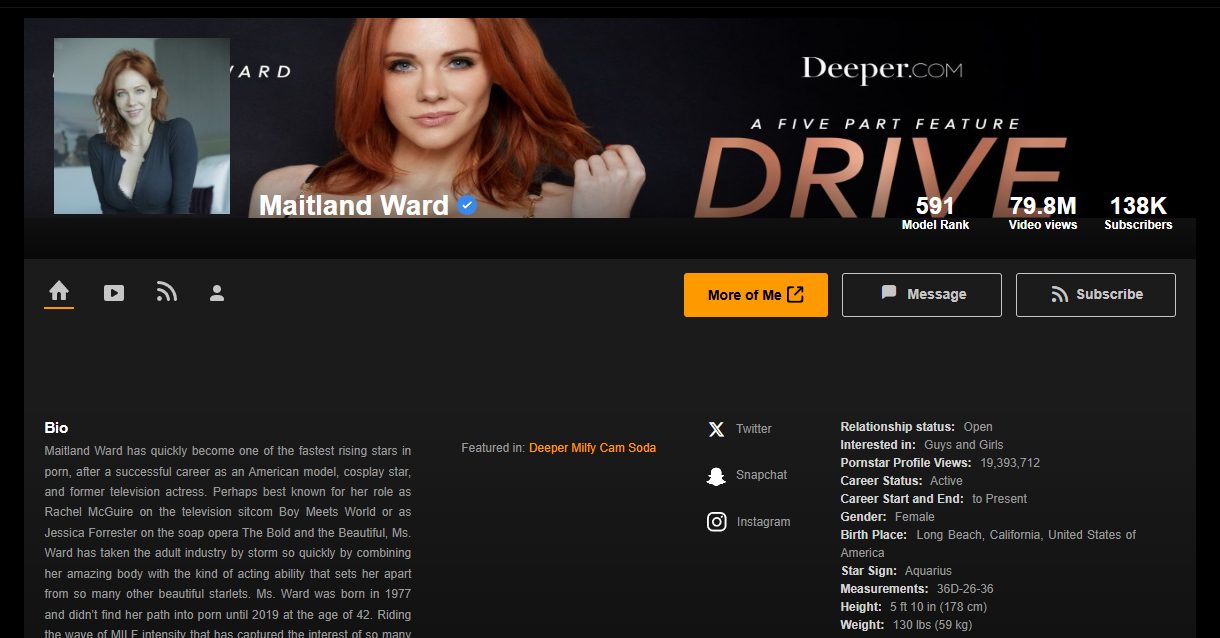 Too many people flatten Maitland’s story into two lazy takes: “child actress turned scandal” or “former sitcom star ruined.” That shallow view misses the real friction points she’s had to handle — and why her choices sparked such a firestorm.
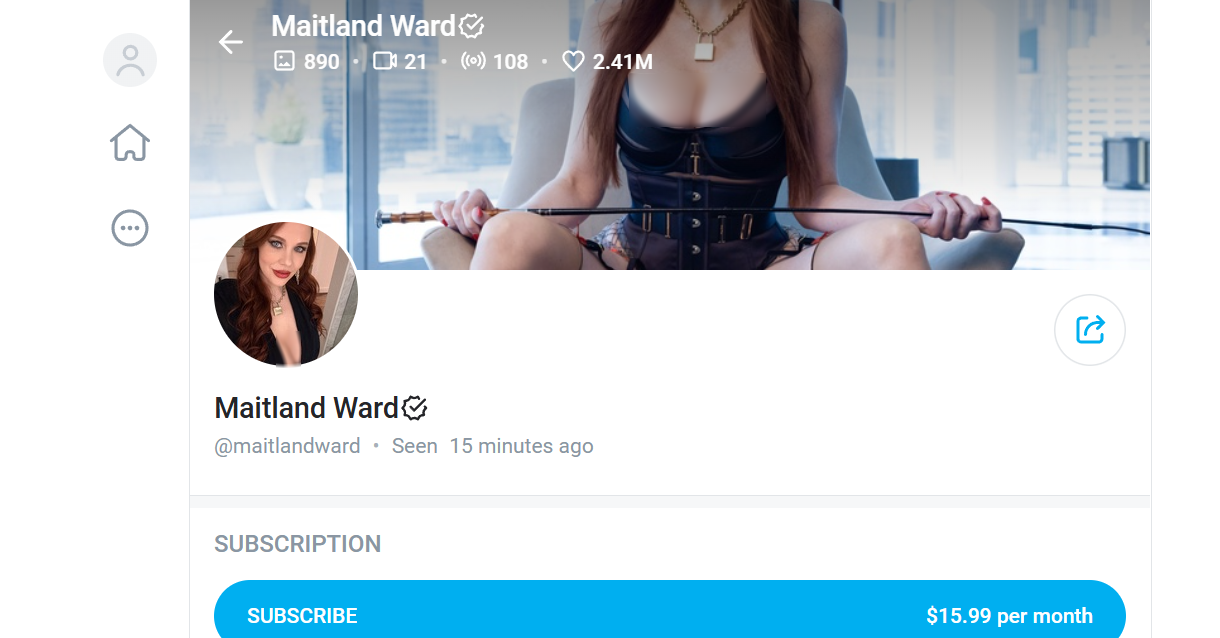 Ever notice how a smart career pivot is 70% strategy and 30% swagger? That’s exactly what the business side of this story looks like. She didn’t stumble into adult work and hope for the best — she built multiple income lanes, kept control of the message, and sold more than scenes. That’s what separates a paycheck from a brand.